
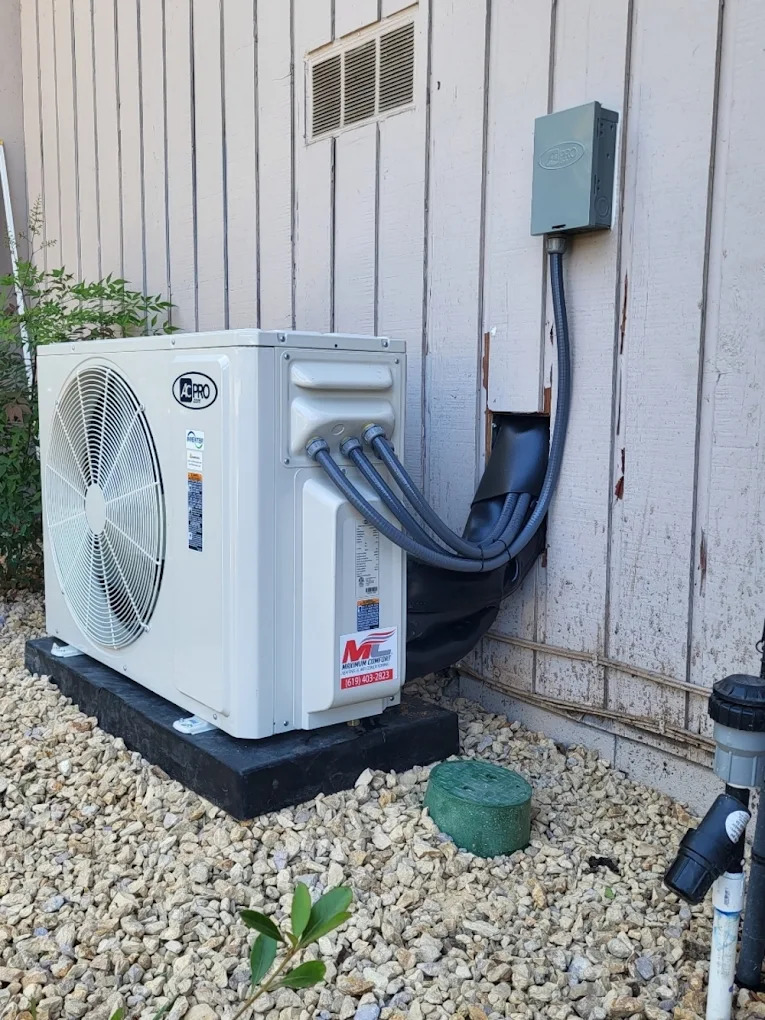
This article explores heat pump pros and cons, providing readers with a balanced understanding of the disadvantages of a heat pump as well as why they are good in climates like San Diego. Through a detailed examination of practical, economic, and environmental considerations, it offers valuable insights to help homeowners and consumers make informed decisions about this increasingly popular heating and cooling technology. Gain a nuanced perspective on when and where heat pumps may fall short, ensuring a well-rounded view of their role in sustainable energy solutions.
Understanding Heat Pump Advantages and Disadvantages
Definition and Basic Operation of Heat Pumps
The DOE defines a heat pump as a device that transfers heat from one location to another. Heat Pumps can provide both heating and cooling functionalities. It operates on the principle of refrigeration, using a cycle of compression and expansion of refrigerant to absorb heat from the outside air, ground, or water source, and then distribute it indoors. Essentially, during winter, a heat pump extracts heat from the outside environment—even in cold weather—and delivers it inside to warm a building. Conversely, in summer, it can reverse the process to cool indoor spaces.
Growing Adoption in Residential and Commercial Settings
Over recent years, heat pumps have gained significant popularity in both residential and commercial sectors. Their ability to serve as an all-in-one climate control system makes them attractive for energy-conscious consumers seeking sustainable alternatives to traditional heating and cooling methods. The increasing adoption is also driven by advancements in technology, government incentives, and a global push toward reducing carbon emissions.
The Appeal of Heat Pumps as Energy-Efficient and Sustainable Solutions
One of the primary advantages and disadvantages of a heat pump revolve around their energy efficiency. They consume less electricity compared to conventional heating systems like furnaces or electric resistance heaters, translating into lower utility bills and reduced environmental impact. Their potential to operate sustainably aligns with the goals of reducing greenhouse gases, making them a compelling choice for eco-conscious homeowners.
Heat Pump Limitations in Various Climates
Heat Pump Disadvantages in Extremely Cold Temperatures
While heat pumps are effective in moderate climates, their efficiency diminishes significantly in extremely cold weather. The heat extraction process becomes less effective as outdoor temperatures drop, leading to decreased heating capacity. This is a critical disadvantage of heat pump technology, especially in regions experiencing harsh winters.
Disadvantages of a Heat Pump: Performance During Harsh Winters
In areas with prolonged cold spells, standard air-source heat pumps may struggle to maintain consistent indoor temperatures. The compressor and refrigerant cycle may need to work harder, which can result in inadequate heating and increased energy consumption. This limitation can compromise comfort and reliability.
The Necessity for Supplemental Heating Systems in Certain Regions
Due to reduced efficiency in low temperatures, many installations require auxiliary heating sources such as electric resistance heaters or boilers. These backup systems ensure consistent warmth but add to the overall cost and complexity of the heating system, representing a notable disadvantage of heat pump technology.
Impact of Climate on Overall Energy Savings and Comfort
The effectiveness and cost savings associated with heat pumps are heavily influenced by regional climate. In milder climates, they excel, but in colder zones, their limitations can offset potential benefits, making them less practical or economical. Understanding these climate-dependent constraints is essential for making informed decisions.
Economic Disadvantages of a Heat Pump
High Upfront Installation Costs and Initial Investment
One of the most significant disadvantages of heat pump systems is their high initial cost. The purchase price, along with installation expenses, can be substantially higher than traditional heating or cooling systems. This initial investment may deter some consumers despite long-term savings.
Potential for Increased Maintenance Expenses
Although heat pumps generally require less maintenance than combustion-based systems, they still necessitate periodic servicing. Components such as compressors, fans, and refrigerant lines may need repairs or replacements over time, contributing to ongoing expenses.
Cost Implications of Auxiliary Heating Components
In colder climates, the need for supplemental heating systems increases the total cost of ownership. Installing and maintaining these additional systems further elevates expenses and complicates the overall setup.
Long-Term Return on Investment and Payback Period Analysis
While heat pumps can reduce energy bills over time, the payback period varies depending on climate, energy prices, and initial costs. In some cases, the higher upfront investment may take several years to offset through savings, which can be a disadvantage for budget-conscious consumers.
Environmental and Technical Constraints of Heat Pumps
Limitations Related to Refrigerant Use and Environmental Impact
The refrigerants used in heat pumps have historically contributed to ozone depletion and global warming potential. Although newer, environmentally friendly refrigerants are now available, their adoption is not universal. This environmental consideration remains a disadvantage and technical constraint.
Noise Levels and Operational Disturbances
Heat pumps, especially outdoor units, can generate noise during operation. For some homeowners, this noise can be disruptive, particularly in quiet residential neighborhoods, representing a practical disadvantage.
Compatibility Issues with Existing Home Infrastructure
Retrofitting an existing building with a heat pump may pose challenges if the current infrastructure is incompatible. For example, older homes may lack the necessary ductwork or electrical capacity, complicating installation and increasing costs.
Lifespan and Durability Concerns Under Certain Conditions
While heat pumps are generally durable, their lifespan can be affected by environmental factors such as exposure to extreme weather, poor maintenance, or inadequate installation. Shortened lifespan and higher replacement costs are notable disadvantages.
Practical Considerations for Consumers
Suitability for Different Building Types and Sizes
Heat pumps are most effective in well-insulated, moderate-sized buildings. Large or poorly insulated structures may not benefit as much, or may require multiple units, increasing costs and complexity.
Limitations in Retrofitting Older Structures
Older buildings often present challenges for heat pump installation due to outdated infrastructure, limited space, or incompatible systems. Retrofitting can be costly and technically demanding, which is a practical disadvantage.
Challenges in Areas with Inconsistent Electricity Supply
Since heat pumps rely on electricity, regions with unreliable power grids or frequent outages may experience operational issues. This dependence on a stable electricity supply is a key practical consideration.
Factors Influencing the Decision-Making Process for Homeowners
Homeowners must evaluate climate, existing infrastructure, upfront costs, and long-term savings when considering heat pump technology. The disadvantages of heat pump systems, such as reduced efficiency in cold climates or high initial costs, play a crucial role in decision-making.
Conclusion
Summary of Key Limitations and Practical Considerations
The disadvantages of a heat pump include reduced efficiency in extremely cold climates, high upfront costs, potential environmental concerns related to refrigerants, noise levels, and compatibility issues with existing infrastructure. These limitations can impact performance, economic viability, and overall satisfaction.
Importance of Assessing Regional Climate and Individual Needs
Understanding the specific climate conditions and individual building requirements is vital when evaluating the disadvantages of heat pump systems. Proper assessment ensures that homeowners select the most suitable and cost-effective solution.
Recommendations for Consumers Considering Heat Pump Technology
Prospective buyers should conduct thorough research, consider regional climate impacts, and consult with professionals to determine if a heat pump aligns with their needs. Exploring options such as ground-source heat pumps or hybrid systems may mitigate some disadvantages.
Final Thoughts on Balancing Disadvantages of a heat pump
When asking yourself, “what are the advantages and disadvantages of a heat pump?”, their advantages in energy efficiency and sustainability make them a compelling choice for many; especially in cities like San Diego. Recognizing their disadvantages allows consumers to make informed decisions and implement strategies to overcome or mitigate potential drawbacks, ultimately contributing to a more sustainable and comfortable living environment.
Helpful Resources
What is a Heat Pump?
How Much Does a Heat Pump Cost?
How To Install a Heat Pump?
Heat Pump vs Furnace
Ducted vs Ductless Heat Pumps
Heat Pump Installation in El Cajon, CA
Heat Pump Installation in San Diego, CA