

If you’ve been told you have a furnace heat exchanger issue — or worse, a cracked heat exchanger — you probably have questions. This guide explains what a furnace heat exchanger is, how it works, symptoms of problems, cleaning tips, repair costs, replacement options, and when running the furnace becomes unsafe.
What Is a Furnace Heat Exchanger?
A furnace heat exchanger is the metal chamber inside your furnace that heats the air circulating through your home.
It separates dangerous combustion gases from your indoor air and transfers heat safely.
How It Works (Simple Explanation)
-
The burners ignite.
-
The heat exchanger warms up.
-
Clean indoor air blows across the exchanger’s hot metal surface.
-
Your home heats up while combustion gases stay sealed inside.
-
Those gases exit through the flue or exhaust vent.
This prevents carbon monoxide (CO) and other fumes from entering your home.
Where Is the Heat Exchanger in a Furnace?
Inside the main blower compartment, behind the burners.
In high-efficiency (90%+) furnaces, there is also a secondary heat exchanger designed to squeeze out more heat from exhaust gases.
Why Heat Exchangers Crack
Heat exchangers expand and contract every time your furnace runs. Over years of heating cycles, this metal fatigue can create cracks.
Common causes include:
-
Overheating due to restricted airflow
-
Dirty air filters
-
Poor furnace maintenance
-
Corrosion (especially in older units)
-
Flame rollout issues
-
High humidity or condensation in high-efficiency furnaces
Symptoms of a Cracked Heat Exchanger
Search volume around this topic is high — and for good reason. A cracked exchanger can be dangerous.
Watch for these signs:
-
Strong metallic or formaldehyde-like smell
-
Soot buildup inside furnace
-
Yellow or flickering burner flame (instead of blue)
-
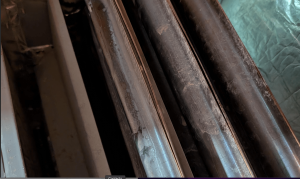
Visible cracks or rust on the exchanger
-
Water around the furnace (common in secondary exchangers)
-
Carbon monoxide detector going off
-
Unexplained headaches or nausea in the home
If you notice multiple symptoms, shut down the furnace and call a technician immediately.
Is a Cracked Heat Exchanger Dangerous?
Yes — extremely.
A crack can allow carbon monoxide to escape into your home. CO is colorless, odorless, and deadly.
Can You Run a Furnace With a Cracked Heat Exchanger?
No.
Even small cracks can leak combustion gases.
Most HVAC companies will “red tag” the furnace, marking it as condemned because continued operation is unsafe. This requires a licensed HVAC technician to inspect and make necessary repairs to ensure your furnace is safe to operate.
How to Tell if Your Heat Exchanger Is Bad
A professional safety inspection may include:
-
Combustion analysis
-
Camera scoping
-
Pressure testing
-
Physical inspection of the heat exchanger
-
Gas leak detection
Homeowners should not take the furnace apart themselves — this requires specialized equipment. Schedule a furnace maintenance and get a free 100-point safety inspection. Call now, our HVAC technicians will thoroughly inspect your HVAC system including the heat exchanger, giving you a complete analysis, recommendations, and things to be aware of.
Heat Exchanger Cleaning: What You Can and Can’t Do
Searches like how to clean a furnace heat exchanger or how to clean heat exchanger on furnace have growing traffic, but cleaning is limited.
You CAN do:
-
Change air filters regularly
-
Keep vents open and unobstructed
-
Schedule annual professional maintenance
You SHOULD NOT do:
-
Attempt to scrub or disassemble a primary heat exchanger
-
Use chemical cleaners
-
Pressure wash any part of the exchanger
-
Access sealed compartments
A tech can perform professional cleaning on secondary heat exchangers, especially on high-efficiency furnaces where clogs are common.
Heat Exchanger Replacement vs. Buying a New Furnace
Many homeowners search “replace heat exchanger or furnace?” because costs vary.
Heat Exchanger Replacement Cost
Typical ranges:
-
Standard furnace: $1,000 – $2,500
-
High-efficiency furnace: $1,500 – $3,500
Costs vary based on:
-
Furnace brand
-
Warranty status
-
Labor difficulty
-
Whether the secondary exchanger is also damaged
Full Furnace Replacement
Usually $2,500 – $5,000+, depending on efficiency and size.
When Replacement Makes More Sense
Replace the entire furnace if:
-
The system is 10–15+ years old
-
There are multiple failing components
-
Efficiency is outdated
-
The replacement cost is more than 30–40% of a new furnace
Can You Repair a Cracked Heat Exchanger?
Not safely.
Furnace repairs like welding or patching are not approved by manufacturers and pose major risks. The cost to repair would be the same if not more to just replace the entire heat exchanger. If the unit is old enough, it would make even more sense to replace the entire furnace.
A cracked exchanger must be:
-
Replaced, or
How Long Does a Heat Exchanger Last?
Most last:
-
12–20 years in gas furnaces
-
20–30+ years in oil furnaces
-
Lifetime warranties exist on some premium brands (Goodman, Lennox, Trane, Carrier), but labor is usually not included.
Gas Furnace Heat Exchanger vs. Oil Furnace Heat Exchanger
Gas furnace heat exchanger:
-
Tubular or clamshell design
-
Higher risk of cracking from overheating
Oil furnace heat exchanger:
-
Often thicker metal
-
More prone to soot buildup and corrosion
High-Efficiency Furnaces & Secondary Heat Exchangers
A 90%+ AFUE furnace has:
-
Primary heat exchanger
-
Secondary condensing heat exchanger
Issues with secondary exchangers often include:
-
Water leakage
-
Blocked drain lines
-
Corrosion from acidic condensate
How Much Is a Furnace Heat Exchanger? (Cost Breakdown)
The part alone typically costs:
-
$400 – $1,500 depending on brand and model
Goodman, Lennox, Carrier, Bryant, Trane, Amana, and York all fall within this range.
Labor is the primary driver of total cost, which is why replacing the heat exchanger or the entire furnace makes most sense.
What Does a Furnace Heat Exchanger Look Like?
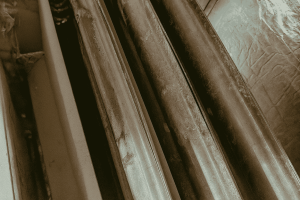
Depending on the model, it may look:
-
Like a set of curved metal tubes
-
Like a serpentine clamshell chamber
-
Like a series of coils in high-efficiency furnaces
How to Maximize the Life of Your Heat Exchanger
-
Change filters every 1–3 months
-
Keep ducts clean
-
Maintain proper airflow
-
Get annual professional inspections
-
Fix airflow issues immediately
-
Ensure proper furnace sizing (oversized furnaces crack exchangers faster)
Final Thoughts
Your furnace heat exchanger is one of the most important and expensive components of your heating system. Understanding how it works, how to spot issues, and what replacement costs look like can save you thousands and keep your home safe. For general gas appliance safety inspections, contact SDG&E.
If you’re dealing with a cracked furnace heat exchanger or aren’t sure whether your furnace is safe to operate, scheduling a professional inspection is the best next step. Our certified heating team provides reliable furnace repair in San Diego and fast service throughout the region, including homeowners in El Cajon, La Mesa, Escondido, Alpine, Poway, and Chula Vista.
If your furnace is aging or the heat exchanger is cracked, we also offer full furnace installation services and energy-efficient heat pump installation options. To learn more about preventing heat-exchanger failure, check out our guides on why your furnace may smell like burning, how to tell if a furnace blower motor is bad, and the importance of annual furnace maintenance. Whatever you need, our licensed heating specialists are here to keep your home safe, efficient, and comfortable. Contact us today for a free furnace safety inspection.
Contact Us Today
[contact-form to=”[email protected], [email protected]”][contact-field label=”Name” type=”name” required=”1″][contact-field label=”Email” type=”email” required=”1″][contact-field label=”Message” type=”textarea”][/contact-form]
Furnace Heat Exchanger FAQ
1. What does a heat exchanger do in a furnace?
A heat exchanger transfers heat from the burner flames to the air that circulates through your home. It keeps combustion gases and indoor air separated so carbon monoxide cannot enter your living space.
2. Where is the heat exchanger located in a furnace?
The heat exchanger is located inside the furnace cabinet, directly above the burners and below the exhaust vent. It’s a sealed metal chamber or series of tubes that the heated air passes over.
3. What causes a heat exchanger to crack?
The most common causes are overheating, restricted airflow, a dirty air filter, corrosion, poor maintenance, and general metal fatigue from years of heating cycles.
4. Is a cracked heat exchanger dangerous?
Yes. A cracked heat exchanger can allow carbon monoxide, soot, and combustion gases to enter your home’s air supply. If you suspect a crack, turn off the furnace and schedule an inspection immediately.
5. Can you run a furnace with a cracked heat exchanger?
No. Running a furnace with a cracked heat exchanger is unsafe and can lead to carbon monoxide exposure. HVAC technicians typically “red-tag” furnaces with cracks to prevent operation.
6. What are the symptoms of a cracked heat exchanger?
Common signs include a yellow or flickering flame, soot buildup, strange smells, frequent furnace shutdowns, visible rust or cracks, and carbon monoxide detector alerts.
7. How much does it cost to replace a heat exchanger?
Most heat exchanger replacements cost $1,000 to $3,500, depending on the furnace model, labor difficulty, and whether it’s a high-efficiency system with a secondary heat exchanger.
8. How long does a heat exchanger last?
A typical heat exchanger lasts 12–20 years in gas furnaces and longer in oil furnaces. Lifespan depends on maintenance, airflow quality, and furnace design.
9. Can a heat exchanger be repaired?
No. Cracked or failed heat exchangers cannot be safely repaired. Manufacturers and safety codes require replacement of the exchanger or complete furnace replacement.
10. How do professionals check for a cracked heat exchanger?
Technicians use combustion testing, CO monitoring, camera scoping, dye tests, and visual inspection to detect cracks, warping, or rust damage within the exchanger.
11. What’s the difference between a primary and secondary heat exchanger?
High-efficiency furnaces use a primary exchanger to absorb initial heat and a secondary condensing exchanger to extract additional heat from exhaust gases, improving efficiency to 90%+.
12. How can I prevent heat exchanger damage?
Replace air filters regularly, schedule annual furnace maintenance, keep vents open, fix airflow issues, and ensure your furnace is properly sized for your home.